


Recovery for Muay Thai: how fighters train hard without breaking down
I've made every recovery mistake there is. I've trained through injuries that needed rest. I've ignored soreness until it became something worse. I've done the ice bath thing, the massage gun thing, the "just push through it" thing. Over 50 professional fights and two decades of training, I've learned the hard way that recovery isn't optional. It's the difference between a long career and a short one.
The fighters who last in this sport aren't the ones who train the hardest. They're the ones who train smart and recover deliberately. Thai fighters in Bangkok train twice a day, six days a week, and many of them fight into their thirties. They don't do that by gutting through injuries. They do it by making recovery a non-negotiable part of their training week.
Here's what actually works, what doesn't, and how to build recovery into your training so you can keep doing this for years without falling apart.
The biggest recovery mistake in Muay Thai
Training at maximum intensity every single session.
I see it constantly. Someone trains five days a week and goes hard every day. Every pad round is 100 percent. Every bag session is a war. Every sparring session is fight night. After three months, they're injured, exhausted, or both.
This is one of the most common beginner mistakes, but experienced fighters do it too. The misconception is that more intensity equals more progress. It doesn't. Intensity without recovery equals breakdown.
Your body adapts and improves during recovery, not during training. Training is the stimulus. Recovery is the adaptation. Skip the recovery and you're just accumulating damage without the adaptation that makes the damage worthwhile.
A smart training week has variation: two or three high-intensity sessions, one or two moderate technical sessions, and at least one light or active recovery day. That pattern allows your body to absorb the training load and come back stronger.
The three pillars: sleep, nutrition, recovery movement
Sleep: the most underrated recovery tool
Nothing replaces sleep. Not supplements, not ice baths, not massage. Sleep is when your body repairs muscle tissue, consolidates motor learning (the technique you drilled becomes permanent), regulates hormones, and restores the nervous system.
For fighters training consistently, 7 to 9 hours of quality sleep is the target. "Quality" matters as much as quantity. That means:
- Consistent sleep and wake times. Your body's circadian rhythm works best with routine. Going to bed at 10pm on training nights and 1am on weekends undermines the whole system.
- A cool, dark room. Simple but effective. Blackout curtains, no screens 30 minutes before bed, and a temperature around 18 to 20 degrees Celsius.
- Managing the post-training adrenaline. If you train in the evening, your nervous system is fired up. Give yourself at least 90 minutes between training and bed. A warm shower, light stretching, and avoiding stimulating content helps your body transition.
When I'm in fight camp, I protect my sleep like I protect my game plan. Early to bed, no exceptions. The quality of my training the next day is directly tied to how well I slept the night before.
Nutrition: feeding the recovery
I cover nutrition in detail in our Muay Thai diet guide. From a recovery standpoint, the key points are:
- Protein within 60 minutes of training. Your muscles need amino acids to repair. 20 to 40 grams of protein from a meal or shake after training kickstarts recovery.
- Carbohydrates to replenish glycogen. Hard training depletes your muscle glycogen stores. Carbs after training refill them. If you skip carbs post-training, your next session will suffer.
- Hydration. Dehydration delays every recovery process. Drink throughout the day, not just during training. If your urine is consistently dark, you're not drinking enough.
- Anti-inflammatory foods. Oily fish, berries, leafy greens, turmeric, ginger. These aren't magic cures, but a diet rich in anti-inflammatory foods supports the body's natural repair processes.
Active recovery: moving to recover
Rest days don't mean lying on the couch all day. Active recovery, light movement that promotes blood flow without adding training stress, accelerates recovery compared to complete inactivity.
What works:
- Light shadowboxing. 10 to 15 minutes of slow, technical shadowboxing at 30 to 40 percent intensity. Focus on fluidity, not power. This keeps your movement patterns sharp while promoting blood flow to recovering muscles.
- Walking. 20 to 30 minutes at a conversational pace. Simple, effective, and doesn't add any training load.
- Swimming. Low-impact, full-body movement. The water pressure provides gentle compression. If you have access to a pool, 20 minutes of easy laps or pool walking is excellent active recovery.
- Light stretching or yoga. Focus on the areas that Muay Thai tightens: hip flexors, hamstrings, shoulders, and calves. Hold stretches for 30 to 60 seconds. This is maintenance, not a flexibility programme.
Managing specific Muay Thai injuries
Shin soreness
If you're training Muay Thai, your shins will hurt. That's unavoidable. The question is whether the pain is normal conditioning soreness or something that needs attention.
Normal shin soreness after bag work or pad work feels like a deep ache or tenderness. It fades within 48 to 72 hours. This is part of the shin conditioning process and is expected.
Abnormal shin pain is sharp, localised, or worsens with weight-bearing. If pressing a specific spot on your shin produces intense pain, or if the pain doesn't improve with rest, see a physiotherapist. Stress fractures are rare but real, especially in people who ramp up their training volume too quickly.
Good quality SENTINEL MUAY THAI SHIN GUARDS reduce impact during sparring and partner drills. They're not just for your partner's protection. They protect your shins from unnecessary accumulated damage during training.
Hand and wrist pain
Sore knuckles and wrists are common, especially early on. Proper hand wrapping technique protects the small bones in your hand and stabilises the wrist joint. If you're experiencing consistent hand pain, check your wrapping technique first. It solves most problems.
If the pain persists despite proper wrapping, reduce your bag work volume temporarily and focus on pad work where the impact is controlled. Punching a heavy bag with incorrect technique is the fastest way to a hand injury in Muay Thai.
Hip tightness
Muay Thai kicks demand hip mobility. Over time, the repetitive rotation of kicking can create tightness in the hip flexors, especially if you also sit at a desk during the day. Tight hips limit your kicking range, compromise your balance, and can lead to lower back pain.
Daily hip flexor stretches, even just 5 minutes, make a significant difference. The couch stretch, pigeon pose, and 90/90 stretch are all effective. Do them after training when your muscles are warm, and again before bed if you can.
Shoulder and neck tension
Holding your guard up for extended periods, especially during sparring, loads the shoulders and neck. This is normal but can become problematic if you're not addressing it. Shoulder rolls, neck stretches, and upper back mobility work after every session prevent this tension from becoming chronic.
Recovery tools: what works and what's marketing
The recovery industry is worth billions of dollars, and most of it is selling you marginal gains at premium prices. Here's my honest assessment based on two decades of testing everything.
Worth it
- Foam roller ($20 to $50): Effective for releasing muscle tightness in quads, IT band, calves, and upper back. Use it for 5 to 10 minutes after training. The benefits are real and immediate. You don't need a vibrating one.
- Lacrosse ball ($5): Better than a foam roller for targeted areas: glutes, hip flexors, between the shoulder blades. Cheap, portable, and genuinely useful.
- Professional massage (fortnightly during hard training): A sports massage therapist who understands combat sports can address tightness and imbalances that self-massage can't reach. Thai fighters get daily massage. You probably can't afford daily, but fortnightly during intense training phases is worthwhile.
Useful but not essential
- Massage gun ($100 to $400): Effective for localised muscle tension and pre-training warm-up. Convenient. But a foam roller and lacrosse ball do 90 percent of the same job for a fraction of the price.
- Cold water immersion / ice bath: There's evidence it reduces perceived soreness, and some evidence it supports recovery between same-day sessions. But recent research suggests regular cold immersion may blunt long-term training adaptations (muscle growth, strength gains). I use it sparingly: during fight camp when managing soreness between double sessions. Not as a daily habit.
- Compression garments: Comfortable and may provide a small benefit for reducing swelling post-training. The evidence is mixed. If they feel good, wear them. Don't expect miracles.
Mostly marketing
- Cryotherapy chambers: Three minutes at minus 110 degrees for $50 to $100 a session. The evidence for whole-body cryotherapy is weak. Save your money for a sports massage.
- Recovery supplements (BCAAs, glutamine, etc.): If you're eating adequate protein from food, these add almost nothing. Protein synthesis is driven by total daily protein intake, not by specific amino acid supplements taken at specific times.
- Infrared saunas: Feel nice. Relaxing. Might improve sleep quality through the relaxation effect. But the specific "recovery" claims are mostly unsupported by evidence.
Building recovery into your training week
Here's what a well-structured training week looks like for someone training five days a week:
- Monday: High intensity. Pad work, bag work, conditioning. Push it.
- Tuesday: Moderate. Technical drilling, light sparring, skill work. Lower intensity.
- Wednesday: Active recovery. Light shadowboxing, stretching, foam rolling, or a walk. No contact.
- Thursday: High intensity. Sparring, clinch work, fight simulation. Hard session.
- Friday: Moderate. Pad work focused on technique, bag work at 70 percent intensity.
- Saturday: Optional light session or complete rest.
- Sunday: Rest. Sleep in. Eat well. Do nothing Muay Thai related.
The pattern: hard, moderate, light, hard, moderate, optional, rest. Two high-intensity days, two moderate days, one active recovery day, and two full or partial rest days. That's enough training to progress and enough recovery to sustain it.
If you're in fight camp, the intensity shifts but the principle remains: never stack multiple maximum-effort days without recovery between them.
The Thai approach to recovery
Thai fighters are the most conditioned athletes in the sport, and their recovery approach is instructive. In Thailand, recovery is built into the culture of the camp:
- Daily massage. After training, fighters receive a Thai oil massage that addresses tightness and promotes blood flow. This isn't a luxury spa treatment. It's functional body maintenance.
- Consistent sleep schedules. Lights out early, up early. The camp schedule enforces regularity.
- Simple nutrition. Whole foods, adequate carbohydrates, nothing complicated. Fighters eat to recover, not to optimise macros to the decimal point.
- Lower intensity, higher frequency. Thai fighters train twice a day but rarely at maximum intensity. The sessions are long but measured. The pace is sustainable because it's designed to be repeated the next day and the day after that.
The lesson for Western fighters: recovery isn't something you add to your training. It's something you build your training around.
When to rest vs when to push through
This is the hardest judgement call in training. Here's the framework I use with my fighters:
Push through: General muscle soreness (DOMS), feeling tired but not exhausted, motivation is low but nothing actually hurts, you're stiff but loosen up after the warm-up.
Rest: Sharp or localised pain, pain that worsens during movement, pain in joints (not muscles), persistent fatigue that doesn't improve with sleep, illness, or any injury where training will make it worse.
The two-day rule: If something hurts the same way for more than two consecutive days, it's not just soreness. Get it assessed. Early intervention on injuries saves weeks of forced time off later.
Missing one training session costs you almost nothing. Training through an injury that sidelines you for six weeks costs you everything you would have gained in those six weeks, plus the rehab time on top. Rest when you need to. It's not weakness. It's intelligence.
Frequently Asked Questions
How long does it take to recover from Muay Thai training?
A single moderate session typically requires 24 to 48 hours for full muscle recovery. High-intensity sessions with heavy sparring or conditioning may need 48 to 72 hours. Recovery time depends on training intensity, your fitness level, sleep quality, and nutrition. Beginners generally need more recovery time than conditioned fighters because their bodies are still adapting to the training demands.
Should I train Muay Thai every day?
Not at high intensity. Training five to six days per week is sustainable if you vary the intensity: two to three hard sessions, two moderate technical sessions, and one active recovery day. At least one complete rest day per week is recommended. Thai fighters train twice daily but at lower intensity per session and with structured recovery (daily massage, early sleep, adequate nutrition).
Are ice baths good for Muay Thai recovery?
Ice baths reduce perceived muscle soreness and may help recovery between same-day sessions. However, recent research suggests regular cold water immersion may blunt long-term training adaptations like muscle growth and strength gains. Use ice baths sparingly during fight camp or competition periods when managing acute soreness. Don't make them a daily habit during regular training phases.
Why am I so sore after Muay Thai?
Delayed onset muscle soreness (DOMS) is normal, especially when you're new to Muay Thai or returning after a break. The kicking, clinch work, and guard position load muscles in ways most people aren't conditioned for. Soreness typically peaks 24 to 48 hours after training and resolves within 72 hours. If soreness is consistently severe, you may be training too intensely or not recovering adequately between sessions. Prioritise sleep, nutrition, and hydration.
What should I do on a Muay Thai rest day?
Active recovery is better than complete inactivity. Light shadowboxing at 30 to 40 percent intensity, a 20 to 30 minute walk, swimming, or a gentle stretching session all promote blood flow and recovery without adding training stress. Foam rolling for 5 to 10 minutes addresses tightness. On your complete rest day (at least one per week), do whatever feels good: nothing Muay Thai related.
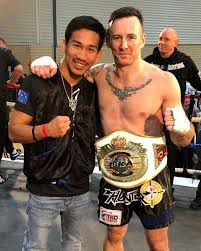
Adam Bailey is a 2x World Middleweight Muay Thai Champion, Head Coach of the Australian National Team, and co-founder of Supa Phat. He's learned that the smartest fighters aren't the ones who train the most, they're the ones who recover the best. Follow Supa Phat on Instagram for training tips, gear drops, and community highlights.